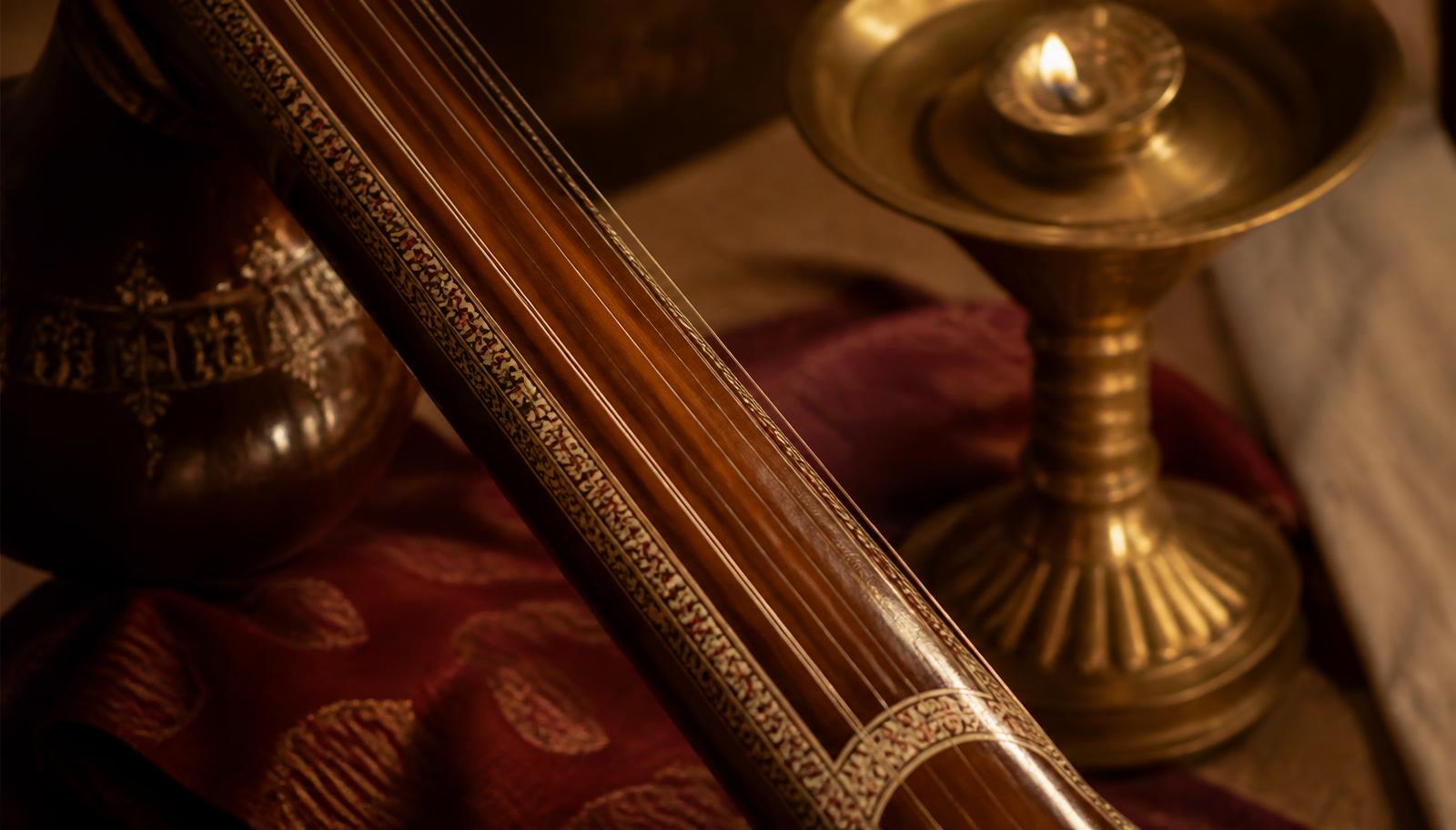
About Nāda
Nāda Baithak
Sound, Rāga, and the Baithak Tradition
Nāda means sound — but in Indian music, sound is not treated as something casual or decorative. It is shaped through breath, attention, discipline, emotion, and time.
In Hindustani classical music, this sound becomes rāga: a living musical form that carries mood, movement, improvisation, and feeling. A rāga is not simply a tune. It is a way of entering a particular atmosphere through melody, rhythm, and listening.
Nāda Baithak takes inspiration from this older way of experiencing music — closer to the artist, closer to the sound, and closer to one another.
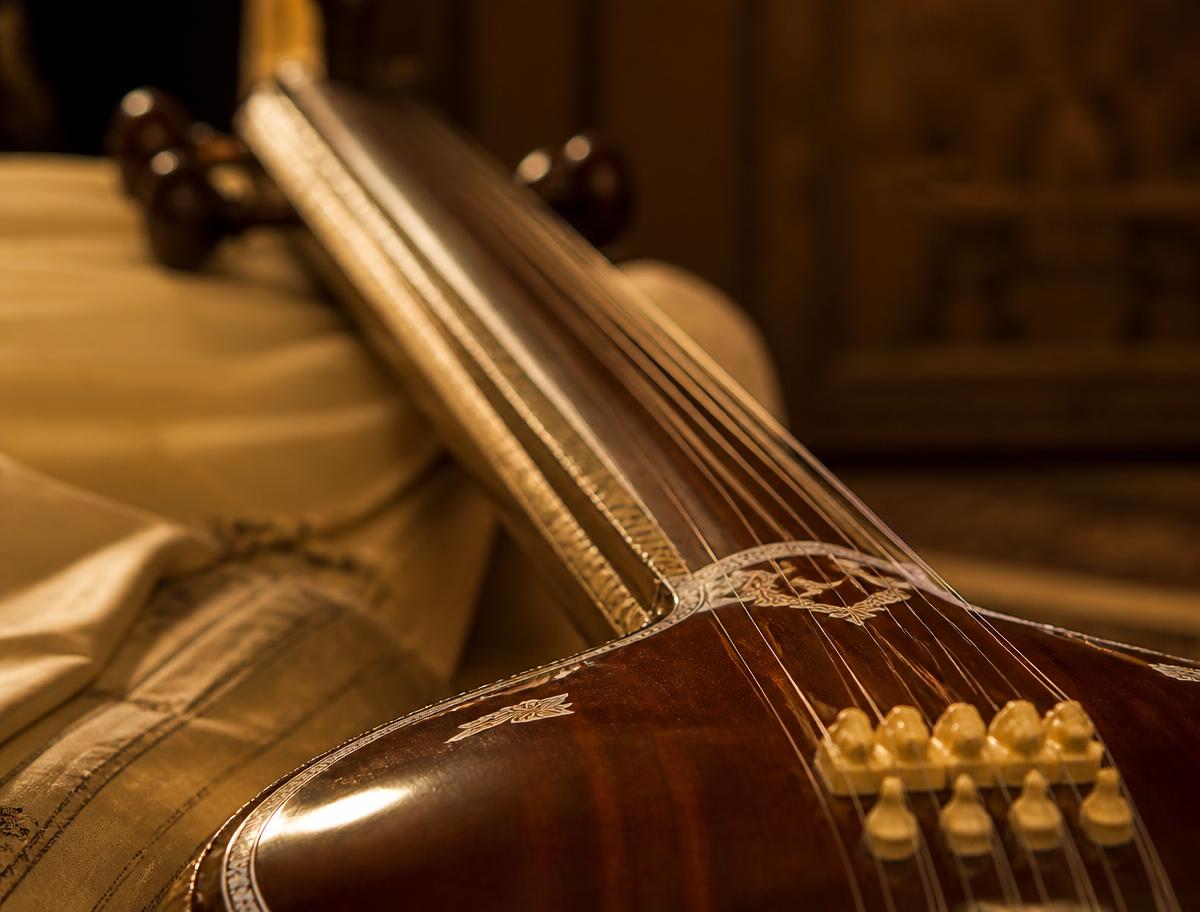
Listening with Attention
What is Nāda?
Nāda is sound experienced with attention.
In the Indian musical tradition, a note is not only heard. It is received. A single note can carry pitch, emotion, movement, silence, and memory. When an artist develops a rāga slowly, the listener begins to hear not just the melody, but the space inside the melody.
This is one of the great beauties of Hindustani music: it invites both the artist and the listener to slow down enough for nuance to appear.
A phrase may unfold gradually.
A note may bend, return, and reveal a different shade.
A pause may carry as much meaning as the sound itself.
Nāda is this deeper relationship with sound.
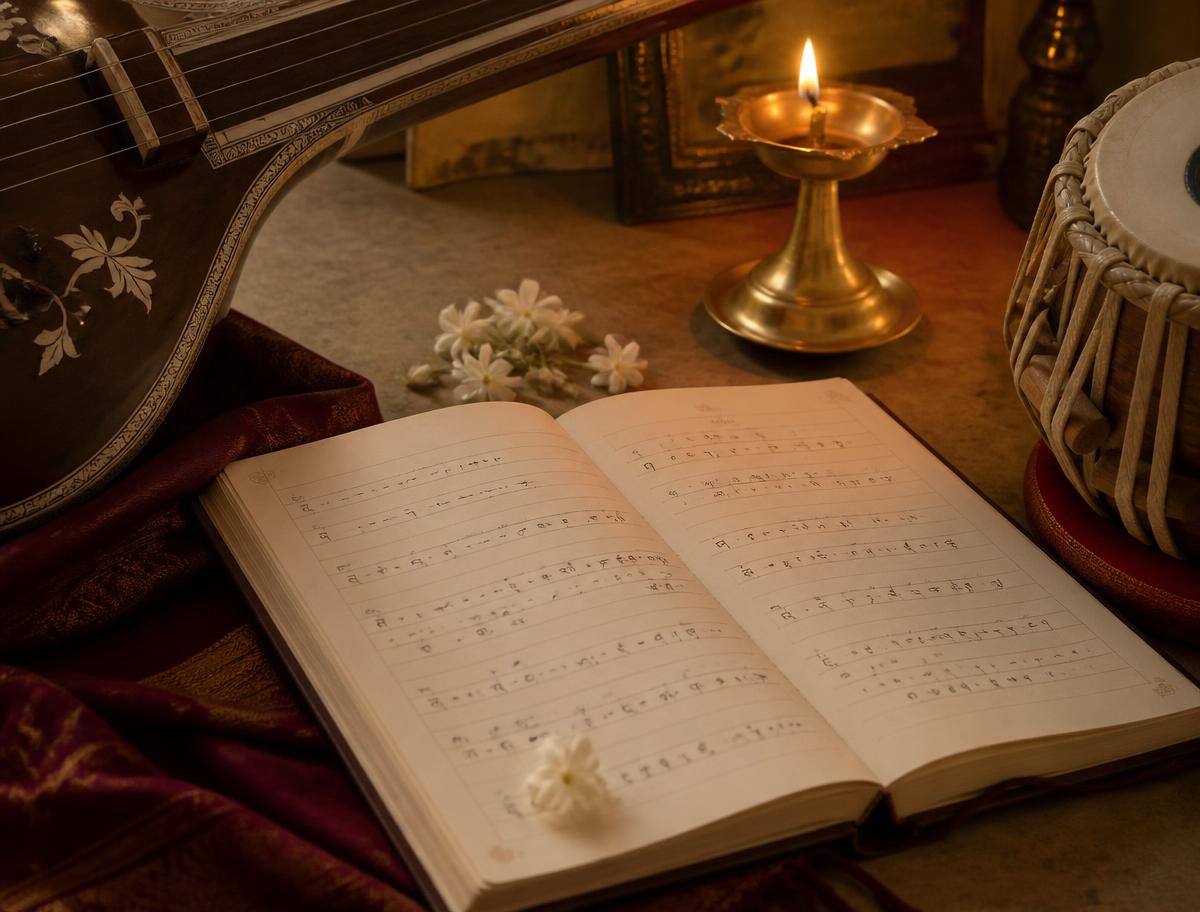
Melody in Motion
From Sound to Rāga
A rāga is a melodic world.
It has its own phrases, movements, moods, time associations, and emotional color. The artist does not simply sing or play fixed notes. The rāga unfolds through exploration, restraint, improvisation, and expression.
That is why Hindustani classical music is best experienced with attention. The beauty is often in the small turns — a glide between notes, a held phrase, a delicate pause, a rhythmic return, a moment that cannot be repeated in exactly the same way again.
In a world of short clips, speed, and constant distraction, rāga offers something rare: a deeper way to listen.
Closer to the Music
The Baithak Tradition
A baithak is an intimate sitting — a closer way to experience music.
Before music became centered around large auditoriums and formal stages, many classical performances took place in smaller rooms, homes, courts, and cultural circles. Artists and listeners sat closer together. The distance between performance and reception was smaller.
This closeness changes the experience.
The artist can sense the room.
The listener can feel the nuance.
Conversation can follow the music.
The evening becomes more than a performance — it becomes a shared cultural experience.
Nāda Baithak draws from this tradition while creating a refined, contemporary space for today’s audiences.
Rooted in Hindustani classical music, Nāda Baithak may also explore semi-classical, devotional, folk-classical, and contemporary rāga-inspired forms — always with respect for the art, the artist, and the listening experience.
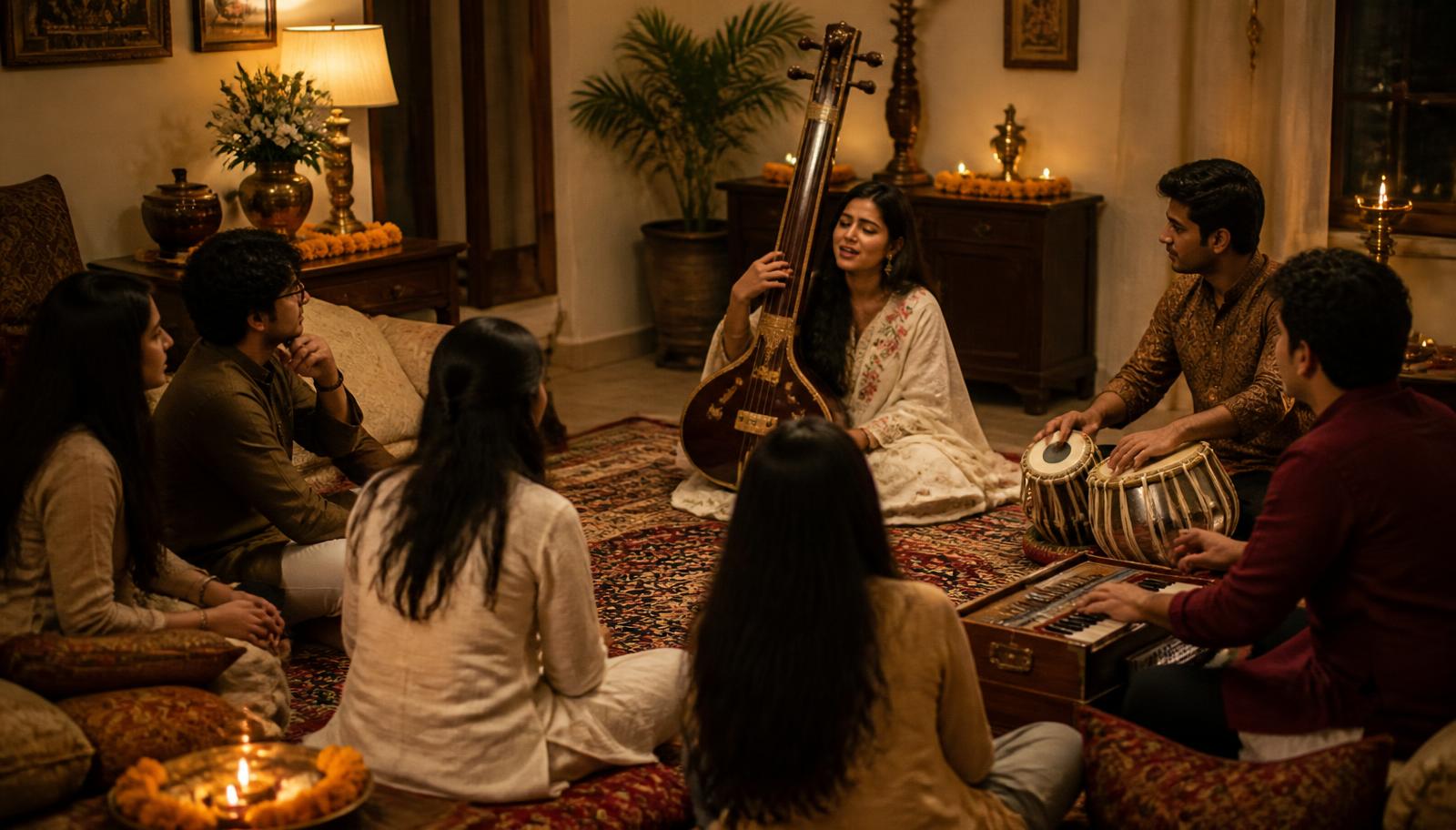
Shared Attention
The Baithak Experience
A baithak creates a different relationship with music.
Instead of sitting far from the stage, listeners are closer to the artist, the instruments, and the unfolding of the rāga. Small details become visible — a breath before a phrase, a glide between notes, a moment of improvisation, the way rhythm settles into the room.
This makes the evening feel less like a formal performance and more like a shared experience.
There is the pleasure of being around people who value culture, beauty, and attention.
That is the spirit of Nāda Baithak.
The Art of Attention
What Listening Can Open
Hindustani classical music is not only for trained musicians or lifelong listeners. It can also be a beautiful entry point into deeper attention, cultural appreciation, and emotional refinement.
Many people experience classical music as a way to:
- slow down
- listen more carefully
- feel emotion with subtlety
- appreciate discipline and improvisation
- connect with Indian culture
- introduce children to the arts
- spend time with thoughtful people
- support artists in a dignified way
The value is not only in understanding every note.
The value is in being present enough to receive the music.
Over time, this kind of listening can change how we hear — not just music, but each other.
Continue to the Baithak
Come Closer to the Music
Discover the next Nāda Baithak and experience Hindustani music in a closer, warmer, and more beautiful setting.
View Upcoming Baithak